
Contain Livestock and Define Property Lines Effectively
Farm Fencing in Plymouth for livestock containment and large property boundary control
L&L Fences provides farm fencing built to meet the demands of agricultural properties and large residential parcels where reliable containment is not optional. You need fencing that keeps livestock secure, defines property lines clearly, and holds up under constant exposure to weather, animals, and the kind of daily wear that lighter systems cannot handle. The work involves more than running posts and rails—it requires understanding your land's terrain, drainage patterns, and how animals move and test boundaries.
This service addresses the need for long-term durability in fencing that must withstand livestock pressure, freeze-thaw cycles, and the heavy use that comes with working land. Materials are selected for outdoor performance over years, not seasons, and layouts are customized to match the size and shape of your property. Whether you are fencing pasture, paddocks, or perimeter lines, the installation is planned around the natural contours of the land to reduce weak points and improve drainage.
If you need secure, functional fencing for your farm or large property in Plymouth, reach out to discuss your layout and material options.
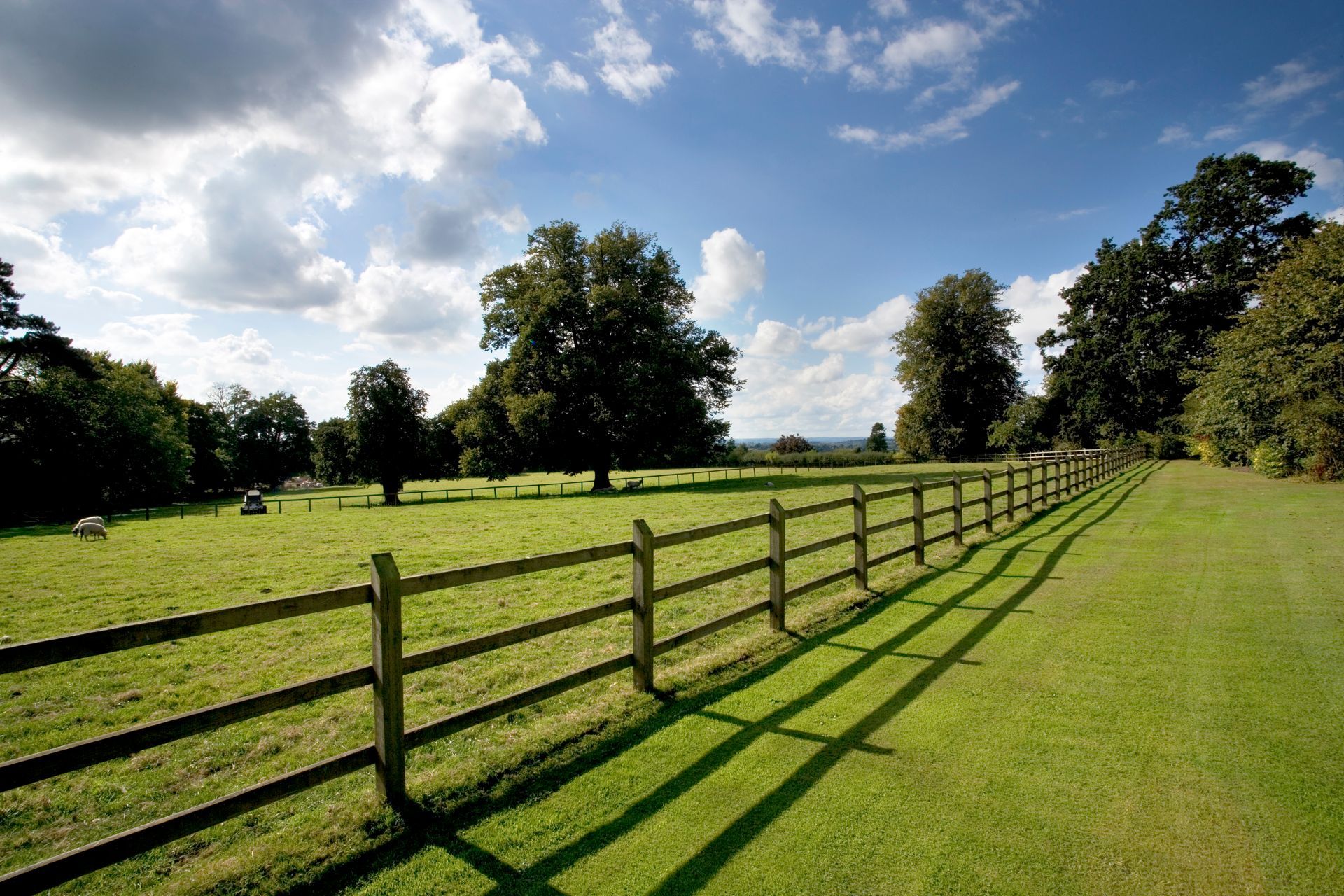
What You Can Expect From the Build and Installation Process
Your fencing is installed with attention to post depth, corner bracing, and tension distribution, all of which affect how well the system holds up when animals lean, push, or run along the line. Posts are set to stable depth based on soil conditions, and rails or wire are tensioned to prevent sagging without creating stress points that lead to early failure. L&L Fences works with wood, wire, and composite materials depending on your needs and budget, and each installation is planned around access points, gates, and future maintenance.
After the installation is complete, you will notice that animals no longer test weak sections or push through gaps, property lines are clearly visible, and the fencing maintains its shape even after heavy rain or snowmelt. Gates swing freely, corners stay tight, and the structure remains stable without constant adjustment or repair.
The work does not include land clearing, grading, or removal of large obstacles like boulders or tree stumps. If your property requires preparation before fencing can begin, that step is handled separately. The focus remains on building a containment system that functions as intended and lasts through the conditions your land experiences year-round.
Questions About Farm Fencing in Plymouth
These are common concerns raised by property owners preparing for farm fencing installation or evaluating what a custom layout involves.
What materials work best for livestock fencing?
Wood posts with wire or rail systems are common for horses and cattle, while smaller animals may require tighter mesh or board fencing to prevent escapes and injuries.
How deep are posts set for farm fencing?
Posts are typically set between two and three feet deep depending on soil type and frost line depth, which in Plymouth means accounting for seasonal ground movement.
When should gates be included in the layout?
Gates are placed wherever you need vehicle access, pasture rotation points, or separate animal groups, and sizing is based on the equipment or livestock that will move through.
Why does terrain affect the fencing layout?
Slopes, wet areas, and rocky ground all influence post spacing, bracing requirements, and drainage considerations to prevent sagging or washout over time.
What happens if a section is damaged after installation?
You can replace individual posts or rails without rebuilding the entire run, especially if the original installation used proper bracing and tension distribution.
L&L Fences works with property owners across Plymouth to plan and install farm fencing that meets the specific demands of the land and animals involved. If you are ready to move forward or need a site evaluation before deciding on materials and layout, contact the team to schedule a consultation.