
Build a Fence That Adds Privacy and Character
Wood Fencing in Plymouth for blocking sight lines and enclosing backyards with a traditional finished appearance
L&L Fences builds wood fences for homeowners in Plymouth who want privacy, curb appeal, and a natural look that complements residential landscaping. You choose wood when you need to block visibility from neighboring properties, reduce street noise, or create a defined outdoor space for family use. Wood fencing fits well in backyards where you want full enclosure, along side yards where setback rules allow solid panels, and around front gardens where decorative picket styles add character without creating a fortress appearance.
The installation begins with pressure-treated posts set in concrete at eight-foot intervals. Horizontal rails connect the posts, and vertical boards are fastened to the rails in your chosen style. Common configurations include solid privacy panels with no gaps between boards, shadowbox designs where boards alternate on each side of the rail for a finished look from both directions, and picket layouts with spacing that allows airflow while still marking boundaries. Wood species and treatment methods are selected for durability in New England climates, where freeze-thaw cycles and seasonal moisture can shorten the lifespan of untreated lumber.
If you want a custom fence that defines your yard and holds up through South Shore winters, contact L&L Fences for a free consultation and layout plan based on your property dimensions.
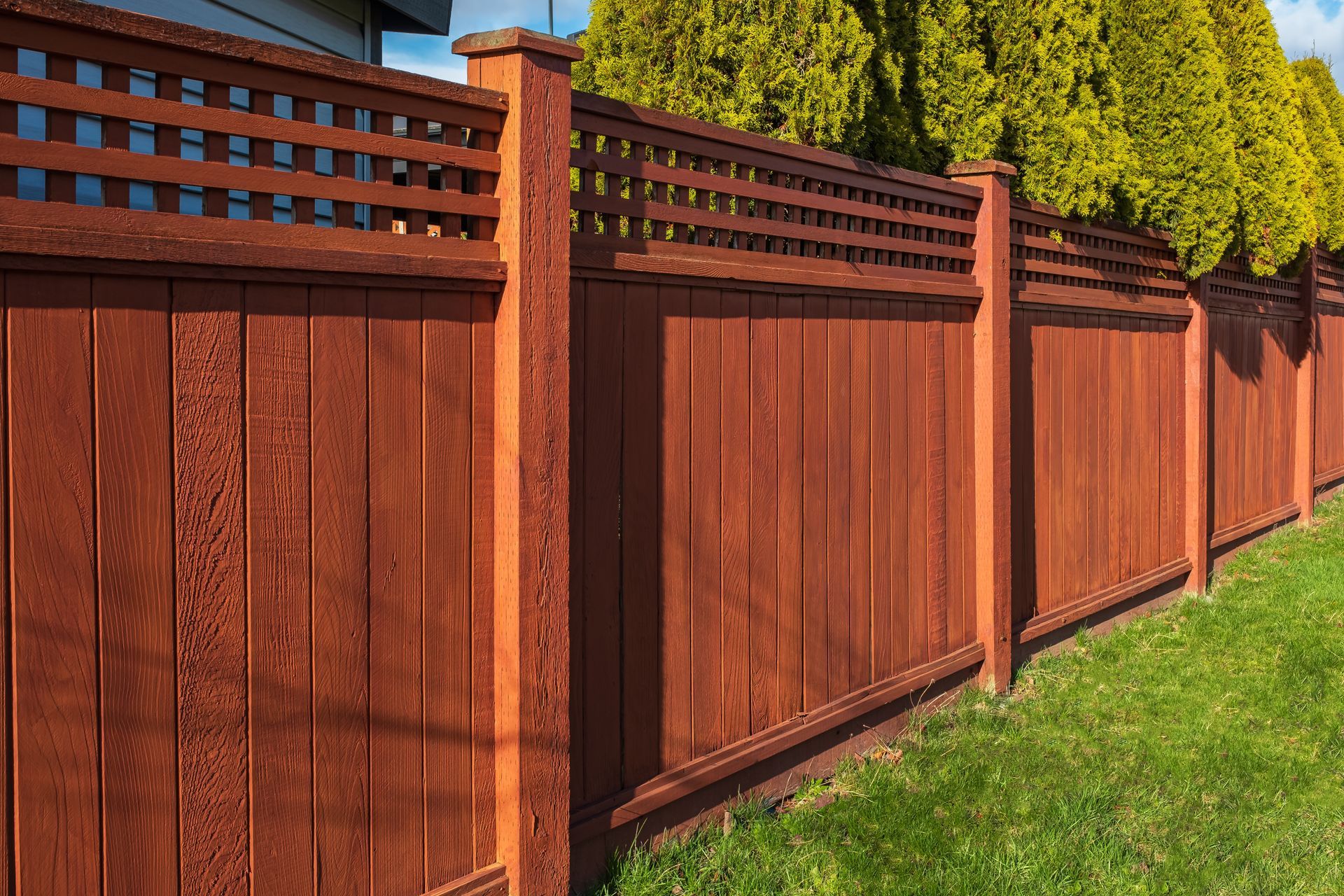
What Wood Fencing Delivers After Installation
Once the fence is up, you will notice an immediate change in how your backyard feels and functions. Solid privacy panels block sightlines from the street and neighboring windows, creating a secluded space for outdoor meals, play areas, or garden work. The fence also reduces wind and dampens noise from traffic or nearby properties, making your yard quieter and more comfortable during warmer months when you spend time outside.
L&L Fences builds each panel to match the contours and grade of your property, so posts stay plumb and boards remain level even on sloped lots. After installation, the wood will weather naturally unless you apply stain or sealant to slow the graying process and protect against moisture absorption. Pressure-treated lumber resists rot and insect damage for years, but annual inspection of post bases and fasteners helps you catch minor issues before they require panel replacement.
Wood fencing does require more upkeep than vinyl or aluminum. You will need to check for loose boards, apply finish coats every few years if you want to maintain color, and replace individual boards that crack or warp over time. If you prefer a low-maintenance option with similar privacy benefits, vinyl may suit your needs better. However, wood remains the preferred choice when you want a traditional look, plan to paint or stain to match your home, or need a fence that can be easily modified or repaired with standard carpentry tools.
What Homeowners Ask About Wood Fences
Choosing wood fencing involves decisions about style, material treatment, and long-term care. These answers cover the questions that come up most often during consultations in Plymouth and surrounding towns.
What type of wood holds up best in Massachusetts?
Pressure-treated pine is the most common choice for posts and rails because it resists rot and insect damage, and it handles freeze-thaw cycles better than untreated lumber.
How tall can I build a wood privacy fence in Plymouth?
Most residential privacy fences stand six feet tall, though local zoning rules may limit height in front yards or along street-facing property lines.
What is the difference between a privacy fence and a shadowbox fence?
Privacy fences use boards placed side-by-side with no gaps, blocking all visibility, while shadowbox fences alternate boards on opposite sides of the rails, creating a finished look from both directions with partial airflow between boards.
How long does a wood fence last before needing replacement?
You can expect fifteen to twenty years from a well-maintained pressure-treated fence, though posts may need replacement sooner if moisture collects at ground level.
Can I stain or paint my wood fence after installation?
Yes, you can apply stain or paint once the wood has dried, typically a few weeks after installation, to match your home or slow the natural weathering process.
L&L Fences offers free estimates and financing options for wood fence projects throughout Plymouth and the South Shore. If you are ready to enclose your yard with custom-built panels that suit your property and style preferences, schedule an on-site consultation to review layout and material options.