
Add Safety and Structure to Stairs and Deck Edges
Railings in Plymouth for porch steps, deck perimeters, and entryway access points
L&L Fences installs custom railings designed to meet safety requirements while matching the materials and style of your existing fencing or exterior finishes. You need railings when steps, deck edges, or elevated entryways create fall risks, and the system must be built to code while supporting daily use, weather exposure, and the kind of leaning or gripping that occurs over time. This work involves precise measurement, secure anchoring, and material selection that holds up under seasonal temperature swings and moisture.
Railings are installed on porches, deck perimeters, front steps, and any transition where a change in elevation requires a handhold or barrier. The installation improves accessibility for older adults, children, and anyone carrying items up or down stairs. Materials include wood, vinyl, and metal options chosen for durability and resistance to rot, rust, and UV degradation. Each railing is anchored to structural support, not just surface decking, to ensure stability under load.
If your property in Plymouth needs railings for safety, code compliance, or usability, contact L&L Fences to review placement and material options.
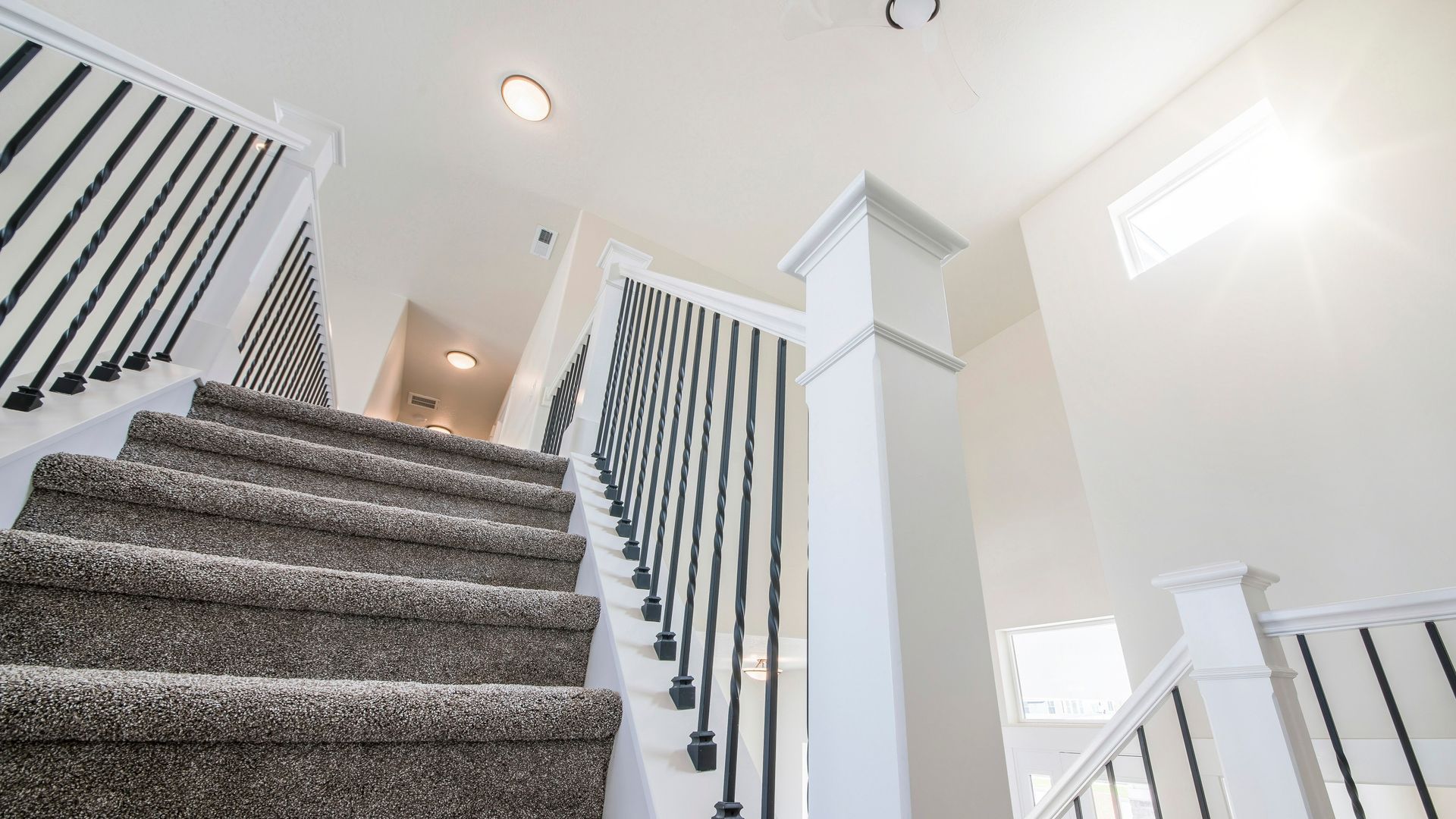
How Railings Are Built to Last and Function Properly
Your railing is installed with attention to post spacing, baluster alignment, and fastener type, all of which affect how the system holds up when someone grips it for support or leans against it. Posts are anchored into structural framing or footings, and top and bottom rails are secured to prevent wobble or separation. Balusters are spaced to meet code requirements for openings, and all joints are sealed or finished to resist water intrusion and freeze damage.
After the railing is installed, you will notice that steps feel safer to navigate, deck edges are clearly defined, and the structure remains solid even when multiple people use it at once. There is no flexing, rattling, or loose sections, and the finish matches or complements your home's exterior without requiring immediate touch-up or sealing.
This service does not include deck repair, stair rebuilding, or replacement of underlying structure. If the surface you are attaching to is unstable or rotted, that issue must be addressed before railing installation begins. The focus is on adding a durable, code-compliant safety feature that integrates with your existing layout and materials.
Common Questions About Railing Installations
Property owners often ask about code requirements, material durability, and how railings connect to existing structures before committing to installation.
What is the required height for deck railings?
Residential railings are typically required to be at least 36 inches tall, though local codes in Plymouth may specify different heights depending on deck elevation and use.
How are railings anchored to existing decks?
Posts are bolted through decking into the rim joist or structural framing, not just surface-mounted, to ensure they can support lateral force without pulling loose.
When should railings be replaced instead of repaired?
If posts are rotted at the base, balusters are missing or broken in multiple sections, or the top rail has separated from its supports, replacement is safer and more cost-effective than patching.
Why do some railings flex or wobble after installation?
Insufficient post anchoring, improper spacing, or attachment to weak framing all cause instability, which is why structural assessment matters before the work begins.
What material requires the least maintenance over time?
Vinyl and aluminum railings resist rot and rust, require no painting, and hold up well in coastal or high-moisture environments common around Plymouth.
L&L Fences builds railings that meet local code requirements and hold up under the conditions your property faces year-round. If you need an estimate or want to review material and design options, reach out to schedule a site visit.